RS BALCONY SAFETY NETS gives all types of services related to safety nets, unnoticeable nets, and grills for the apartments. In that, chump safety deck nets. It may look inoffensive, but when they start roosting on your deck, they bring many problems. Their feces are uncomely, sharp, and can harbor dangerous bacteria and fungi. Over time, accumulated raspberry stool can stain and erode makeup, clog rainspouts and gutters, and pose slip- and- fall hazards on walkways. Raspberry feces can contain pathogens that cause respiratory ailments (like histoplasmosis or psittacosis) and skin infections, putting your family’s health at risk. Imagine stepping out for your morning coffee only to find the deck littered with feces – or drawing acidic stains off your rail every month! These issues make chump control further than just a convenience – it’s a public health and conservation necessity.
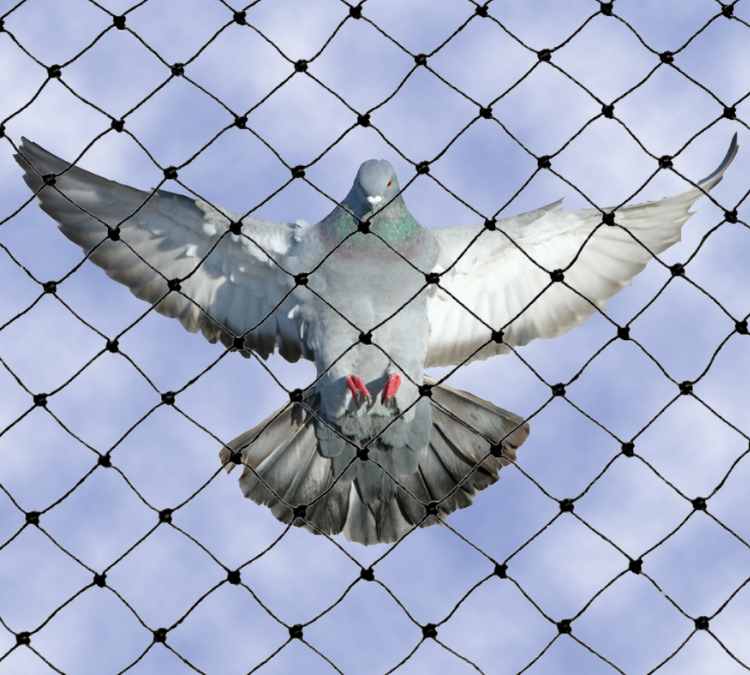
Fortunately, chump safety nets (also called raspberry nets or anti-roosting nets) offer a friendly, humane result. A well- installed deck net forms a sturdy mesh hedge that blocks suckers and other catcalls from wharf, nesting, or entering your out-of-door space. These nets are designed to keep catcalls out without harming them – they simply discourage catcalls from roosting on your deck. In the sections below, we’ll explore why nets are necessary, their benefits, the types available, installation, and quality sellers. The thing is to help homeowners and apartment residents enjoy clean, safe sundecks free from chump nuisances. Let’s dive in!
* The Chump Network Can Be Used For Numerous Operations, including
- Windows and Open Ventilation
- Rooftops and protuberances
- sundecks and sundecks
- marketable structures and storage
Why Pigeon Nets Are Necessary??
- Hygiene and Health pitfalls: Pigeon feces quickly accumulate on flat surfaces like sundecks and windowsills. These feces carry bacteria, fungi, and spores that can cause conditions similar to histoplasmosis, psittacosis, or salmonella. Dry feces can indeed come as airborne dust, which is gobbled by people. In one overview, experts advise that raspberry stool “poses health pitfalls” and can spread respiratory and skin infections if left unattended. Simply put, a dirty deck isn’t just messy – it’s an implicit health hazard
- Property Damage: raspberry poop is acidic. Over time, it’ll eat down on painted shells, essence rails. For illustration, let many suckers nest on your roof edge or deck for months, and you’ll see unloading makeup, rust spots or white stripes on penstocks. One property conservation companion note that acidic feces can strip defensive coatings off shells, leading to expensive repainting and repairs. Gutters and rain spouts are also at risk – feathers, feces, and nesting debris frequently clog downspouts, causing water backup and leaks (indeed, roof damage) during rain. In short, ignoring suckers can turn into a conservation headache damaged makeup, stuffed gutters and indeed structural problems if rainwater infiltrates where it shouldn’t.
- Nuisance and Noise: suckers are also noisy. They frequently chirr and delirium at dawn or dusk, disturbing residents’ sleep. By mid-morning or evening, they circle back for food, creating a constant presence on sundecks. Their ceaseless exertion can be disturbing, and their constant cleaning can attract other pests(diminutives, ticks, fleas) that spread in the nesting area. Numerous residents describe feeling stressed by the constant mess and the sound of birds. However, you’re not alone, If you’ve stepped out to find raspberry feces each over your favorite president or upset about a nesting chump pooping on your laundry. That’s why raspberry-proofing is further than ornamental – it restores peace of mind and cleanliness.
Benefits of Using Safety Nets!!
Installing a deck net offers numerous concrete benefits. Then are crucial advantages for homeowners
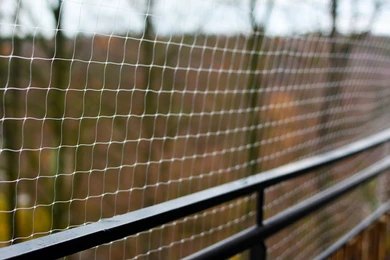
Humane and Eco-friendly: Unlike venoms or traps, a net is a gentle, non-lethal result. It doesn’t harm the suckers; it simply denies them the roosting spot. Indeed, civic wildlife experts agree that rejection of using nets or harpoons) It is the safest way to discourage catcalls without hurting them. In other words, you get pest control and peace of mind that no creatures were harmed. Allows Light, Airflow, and View. A well-designed net does its job in the background. High-quality nets (especially nylon or monofilament styles) allow sun and fresh air to pass through nearly unchecked. Some are nearly transparent, so they save your view. As one installer notes, you can choose net colors to “mix with your structure’s aesthetic,” making them nearly. This means you get raspberry protection without feeling “boxed in.”
Keeps Your Balcony Clean and Hygienic: Nets form a hedge that stops feces, feathers and nesting accoutrements from landing on your space. rather of sweeping down mess daily, you enjoy a clean rail and bottom. As one source notes, nets keep sundecks and windows “clean and free from raspberry- related mess,” so you can use your out-of-door space solicitude-free. lower raspberry waste means a more aseptic terrain for kiddies and faves .
Protects Health and Safety: By keeping suckers out, nets dramatically reduce exposure to pathogens in feces. They also avoid the slip hazards of dried stool on penstocks or rails. Nets are a simple way to cut down on conditions and accidents. They act as an always-on guard against the bacteria and fungi that roost in raspberry mess.
Prevents Property Damage: A net means no new feces to erode makeup, wood, or essence. This helps save your deck’s homestretches. Over time, blocking raspberry access can save on repainting walls and rails. One companion points out that raspberry nets help prevent the chemical bruising of shells, guarding your structure’s surface. By investing in a network, you avoid expensive repairs or frequent cleanings later.
* Cost-Effective Long-Term: Nets pay for themselves, although there’s an upfront cost. They prevent damage and cleanup costs that add up over time. Think about the expense of power-washing droppings off stonework or repainting corroded railings – netting spares you that burden. One bird-control company even points out that investing in nets is cheaper over the years than repeatedly cleaning or repairing bird damage. Plus, nets usually last many years (often with multi-year warranties)
*Safety for Kids and Pets (Bonus): Many balconies’ nets double as safety nets for children or pets. While the primary goal is bird exclusion, the net also prevents accidental falls from balconies (when properly rated for weight). Many parents appreciate that, especially in high-rise apartments, the net blocks pigeons and stops toys or toddlers from slipping through the rails. It’s like getting two protections in one – just be sure to check the strength rating of the net for this purpose.
Types of Nets Available:

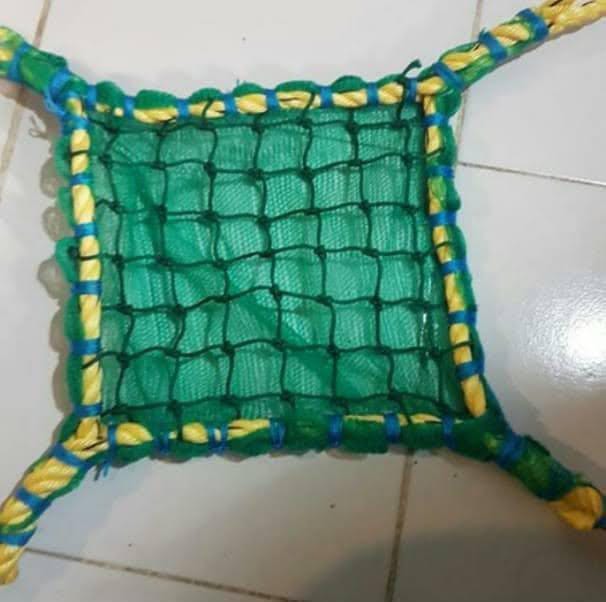
Not all bird nets are the same. When shopping or comparing vendors, you’ll encounter different materials, mesh styles, and colors:
Material:
The most common net materials are nylon (synthetic polyamide) and polyethylene/polypropylene (plastic). Nylon nets tend to have higher strength and durability: they resist tearing and typically come UV-treated, so they survive long-term sun exposure. Polyethylene (HDPE) and polypropylene nets are also very durable and cost-effective. However, in extreme conditions (prolonged heat or snow), nylon can outperform them slightly. Both material types work well for balcony nets, but vendors often tout “UV-stabilized” or “rot-resistant” qualities. Some specialty nets are knitted with a knotted mesh (like a hammock weave) while others are no-knot (monofilament); the latter can feel softer to the touch, but either style can be effective if heavy-duty.
Durability:
Look for nets that advertise heavy-duty or bird-grade strength. High-quality nets often have a 40-pound burst strength or more (meaning they won’t break if a pigeon thrashes against them. Many come with UV inhibitors and are rated to last 5–10 years; manufacturers sometimes back this with warranties. For example, some professional nets carry 10-year warranties and are tested to resist rot, flame, and extreme temperatures. In short, choose nets labelled for outdoor UV protection and longevity. This slightly higher cost upfront is worthwhile for a durable barrier.
Color and Aesthetics:
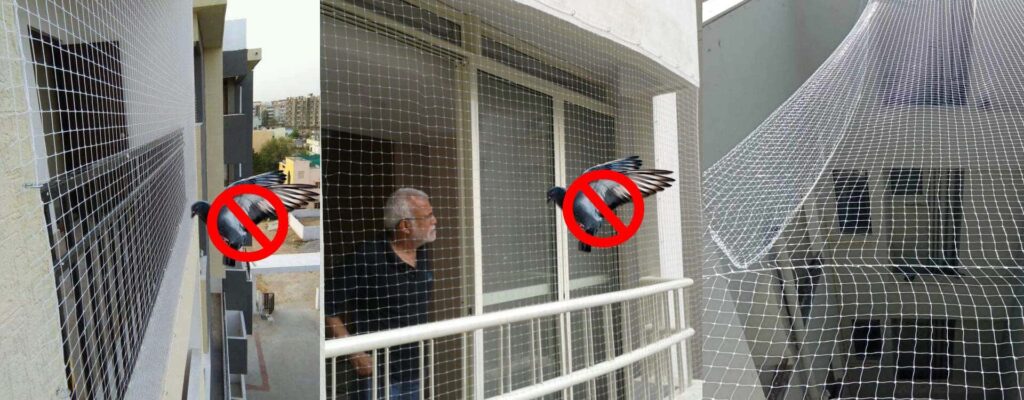
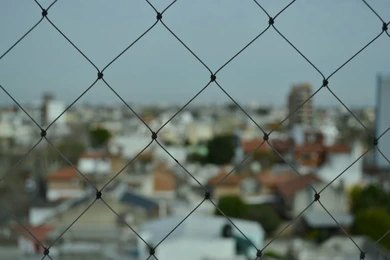
Nets come in various colors: white, black, green, or even transparent monofilament. White nets let light through fully and are easy for birds to see (birds have good eyesight), which can deter them before they even approach shade-nets.comnetskart.com. Black or green nets blend into shadows and foliage, making them less visible to residents, useful if you want the net to “disappear” from your view. Transparent or very thin grey nets are almost invisible unless you look closely. As one installer notes, choosing a net color that matches your building “makes the net invisible and effective at the same time.https://rsbalconysafetynets.com/pigeon-nets-for-balcony-in-bangalore/The sample photo below shows a white monofilament net installed on a balcony: it’s blocking pigeons yet lets light through and doesn’t feel like a solid wall.
Mesh Size:
The mesh hole size is crucial. It must be small enough that pigeons (and even small birds, if you want) cannot squeeze through. A common recommendation for pigeon netting is around 2×2 inches (50mm) or smaller. If you only care about larger birds, bigger mesh might work, but anything around an inch (2.5cm) or less is generally safe to keep pigeons out. Vendors often sell “pigeon nets” with ~2″ square gaps and “sparrow nets” with ~1″ gaps for tiny birds. When in doubt, go with a slightly smaller hole size – it’s better to keep all bird entrants out. (This usually does not significantly reduce airflow or light, especially with thin monofilament nets.)
Maintenance and Care:
Balcony nets are generally low- maintenance, but a little upkeep keeps them looking and working great:
1. Regular Inspections: Check the net at least once or twice a year (for example, before monsoon and after winter). Look for any rips, holes, sagging sections, or loose attachments. Early fixes are easy – patch a small hole or re-tension a sagging spot.
2. Clean Debris: Leaves and dust can accumulate on the net. Simply hose it off or gently shake it out occasionally to maintain airflow and visibility. Otherwise, bird nets are hardly noticeable and need virtually no routine care. (One bird-control expert notes that “maintaining this protection is effortless; keeping the area free from leaves and debris is all that’s required.”
3)Repair or Replace: If you find any damage, address it quickly. Small holes can be patched with twine or a piece of net tied over the gap. Larger tears may require replacing that section of netting. Keeping the net in good repair prevents birds from sneaking in.
4. Hardware Check: Ensure hooks, cables, or brackets haven’t rusted or loosened. Tighten any bolts and replace corroded parts. Since the outdoor elements can stress the system, occasional re-tightening is normal.
5. UV and Weathering: Quality nets are UV-stabilized for weather resistance, but even so, extreme sun can degrade any plastic over many years. If the net looks very brittle or discolored after 5–10 years, replace the plan. Investing in UV-treated nets initially will maximize lifespan.
6. Beware of High Winds or Heavy Rain: Heavy storms or strong winds can occasionally stress the net. If you know a storm is coming, you might temporarily loosen the net to let it billow and reduce strain, then retighten afterward. By following these simple steps (inspect, clean, tighten), your balcony net will last for years with minimal fuss. Many net manufacturers even offer long warranties, reflecting how durable the material can be. In practice, your biggest maintenance task is usually just sweeping away stray feathers or debris – the net itself quietly does its job day after day.
Pigeon safety nets turn a messy, unhealthy balcony into a clean, usable space. They block bird droppings and nests, protect health and property, and do so humanely. Today’s nets are strong, UV-resistant, and come in unobtrusive styles, so they blend into your home. With correct installation and a bit of periodic checking, a balcony net delivers years of bird-free enjoyment. For any apartment dweller or homeowner frustrated by feathered tenants, netting is one of the smartest, most effective fixes around.
“Protect your loved ones and pets with our premium balcony safety nets. Reliable, durable, and custom-fit solutions for your peace of mind.”