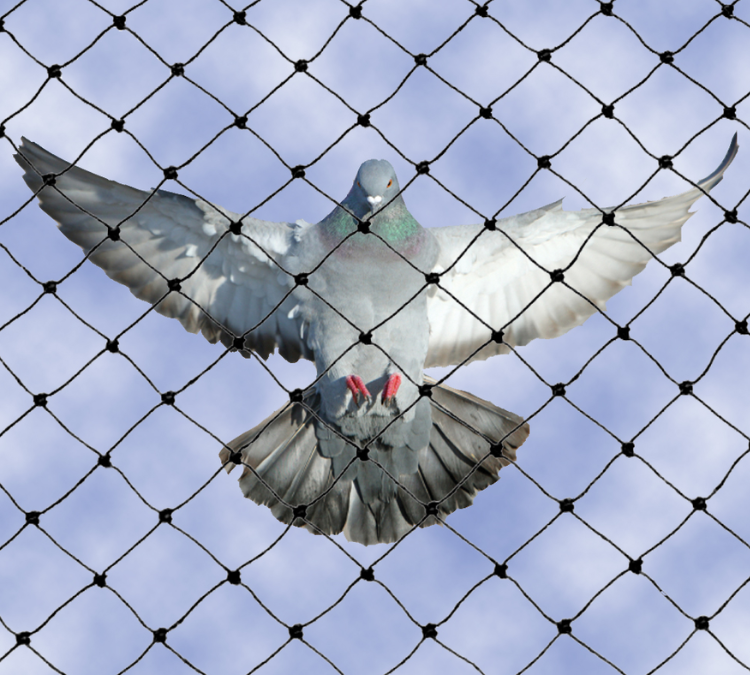
Birds are beautiful creatures, and watching them fly across the sky can be calming. But when they start invading your balconies, rooftops, or windowsills—leaving behind feathers, droppings, and nesting materials—it becomes a real headache. Especially in a bustling city like Bangalore, where urban wildlife and human spaces often overlap, the presence of pigeons and other birds can quickly turn from charming to problematic.
This is where bird netting comes to the rescue. If you’re reading this, chances are you’re considering installing bird netting in your home or commercial space and wondering how much it actually costs in Bangalore. In this blog, we’ll break down the costs, what affects them, and whether it’s worth doing it yourself or hiring a professional.
What is Bird Netting?
Bird netting is a durable mesh material used to create a barrier that prevents birds—especially pigeons, crows, and mynas—from entering unwanted areas like balconies, AC units, ledges, and open vents. It’s a non-harmful, eco-friendly, and long-term solution to keeping birds away without hurting them.
Bird nets are made from UV-stabilized polyethylene or nylon, designed to withstand sun, wind, and rain—making them ideal for Bangalore’s weather conditions.
Why Do People in Bangalore Need Bird Netting?
Bangalore has a pleasant climate throughout the year, which makes it an attractive place not only for people but also for birds. Pigeons are the most common culprits in apartment complexes, often found roosting in balconies or AC ducts. The problems they create include:
- Health hazards due to droppings that carry bacteria and fungi
- Nuisance from constant cooing, fluttering, and nesting
- Damage to property, AC units, and laundry
- Unhygienic conditions on balconies and window sills
Because of these reasons, bird net installation has become increasingly popular across residential apartments, offices, hospitals, educational institutions, and commercial buildings in Bangalore.
Types of Bird Nets Available in Bangalore

Before discussing cost, it’s helpful to know what kinds of bird nets are commonly used. Different types of nets have slightly different pricing.
Nylon Nets (₹6 – ₹20 per sq ft for material, often with installation): This is arguably the most common and popular choice for residential bird netting in Bangalore.
- Pros: It’s strong, durable, often transparent or semi-transparent (which helps maintain aesthetics), UV-stabilized (important for Bangalore’s sunny climate), and relatively affordable. It’s also soft, making it safe for birds if they accidentally brush against it.
- Cons: Over time, it can accumulate dust and might require occasional cleaning. The thickness of the thread can vary, impacting durability and price.
- Common Use: Balconies, windows, small open spaces in apartments.
HDPE (High-Density Polyethylene) Nets (₹8 – ₹25 per sq ft for material, often with installation): HDPE is another robust option.
- Pros: Extremely durable, resistant to wear and tear, and often used for more heavy-duty applications. It can withstand harsher weather conditions.
- Cons: Can sometimes be a bit thicker and less “invisible” than fine nylon nets.
- Common Use: Larger areas, commercial buildings, places needing very strong and long-lasting barriers.
Co-polymer Nylon/Monofilament Nets (₹20 – ₹35+ per sq ft for material, often with installation): These are often marketed as “transparent” or “invisible” nets.
- Pros: Designed for minimal visibility, blending seamlessly with the architecture. They are thin yet strong, making them aesthetically pleasing.
- Cons: Generally at the higher end of the price spectrum due to their specialized construction and aesthetic appeal.
- Common Use: Areas where aesthetics are paramount, like high-end apartments or heritage buildings.
Stainless Steel Nets (Significantly higher, usually not quoted per sq ft): While less common for general bird netting due to cost and weight, stainless steel nets are available for specialized industrial or high-security applications. These are typically priced much higher and are beyond the scope of average residential needs.
1.The Size and Complexity of the Area: Measuring Up the Cost
This is often where the “per square foot” pricing comes into play, but it’s not always a linear calculation.
- Area in Square Feet: Naturally, a larger area requires more netting material and more installation effort, directly increasing the total cost. Most companies will provide a per-square-foot rate.
- Accessibility: A balcony on the ground floor is far easier to net than a window on the 15th floor that requires scaffolding or specialized rope access. The ease of access significantly impacts labor costs. If installers need to bring in special equipment or take extra safety precautions, expect the price to rise.
- Shape and Design: A simple, rectangular balcony is straightforward. An L-shaped balcony, a complex terrace with multiple pillars, or an area with intricate architectural features will require more precise cutting, fitting, and securing, adding to the labor time and thus the cost. Duct areas, window grills, and irregular openings also fall into this category.
- Obstructions: AC units, water pipes, satellite dishes, and other fixtures on your balcony or wall will need to be worked around. This precision work takes more time and skill, influencing the overall price.
2. Installation Method and Accessories: The Hidden Details
The netting itself is only part of the story. How it’s installed and what accessories are used play a crucial role in the final cost and the net’s longevity.
- Fixing Points: The type of hooks, clips, or fasteners used can vary. Stainless steel hooks are more durable and weather-resistant than plastic ones, and thus more expensive.
- Rope/Cable Support: For larger or higher installations, a strong perimeter rope or even steel cables might be used to provide additional support and tension to the net, increasing material and labor costs.
- Tensioning: A properly installed net should be taut and free of sags. Achieving this tension requires skill and can involve specific tools or techniques, which are factored into the installation price.
- Reinforcement: Edges and corners might require extra reinforcement to prevent tearing or gaps, adding to the material and labor.
- Safety Measures: Professional installers in Bangalore adhere to safety standards, especially when working at heights. This includes harnesses, safety lines, and sometimes even temporary scaffolding. These safety measures are an integral part of their operational costs.
3. Professional vs. DIY: The Cost of Convenience and Expertise
This is a fundamental choice that heavily influences the final expense.
- DIY (Do-It-Yourself): If you’re handy, have the necessary tools (or are willing to buy them), and the area is easily accessible, DIY can save you significantly on labor costs. You’ll primarily pay for the netting material, hooks, and basic fasteners. However, factor in your time, the potential for mistakes, and the lack of a professional warranty.
- Approx. DIY Material Cost: For a standard balcony, you might get material for ₹500 – ₹2,000 depending on quality and size, plus a few hundred for fasteners.
- Professional Installation: This is where you’re paying for expertise, convenience, safety, and a warranty. Professionals bring:
- Specialized tools and equipment: Ladders, drills, tensioning tools, safety gear.
- Skilled labor: Experienced technicians who know how to install the net securely and aesthetically.
- Material sourcing: They often get materials at wholesale rates and provide higher quality, UV-stabilized nets.
- Warranty: Most reputable services offer a warranty (e.g., 1 to 5 years) on their netting and installation, providing peace of mind.
- Cleanup: They typically handle the post-installation cleanup.
- Approx. Professional Installation Cost in Bangalore: As mentioned, ₹15 to ₹30 per square foot is a common range. For smaller jobs like a single window, there might be a minimum charge (e.g., ₹1,500 – ₹2,500) to cover travel and labor regardless of the square footage. Larger balconies can cost anywhere from ₹3,000 to ₹10,000+, depending on all the factors discussed. Rooftop installations might start from ₹3,000 onwards.
4. Vendor Reputation and Service Quality: You Get What You Pay For
Just like any other service in a bustling city like Bangalore, the reputation and quality of the bird netting service provider play a role.
- Established Companies: Reputable companies with years of experience, good reviews, and a strong track record might charge a bit more, but they often provide superior quality materials, skilled installation, and reliable after-sales support.
- Newer/Smaller Vendors: Some might offer lower prices to attract customers. While this can be a good deal, always verify their credentials, ask for references, and ensure they provide a warranty.
- Customer Service: The level of customer service, responsiveness, and willingness to provide a detailed quote can also influence the pricing.
Average Bird Netting Costs in Bangalore (Approximate Ranges):

To give you a clearer picture, here’s a rough breakdown of what you might encounter:
- Basic Nylon Netting (material + installation, for straightforward areas): ₹15 – ₹22 per square foot
- High-Quality Nylon/HDPE Netting (material + installation, for most residential balconies): ₹22 – ₹30 per square foot
- Transparent/Copolymer Netting (material + installation, for aesthetic appeal): ₹28 – ₹40+ per square foot
- Minimum Charges: For very small areas (e.g., a single small window), expect a minimum service charge of ₹1,500 – ₹2,500, even if the per-square-foot calculation is lower.
- Specific Area Costs (Example, highly variable):
- Standard Balcony (e.g., 6 ft x 20 ft = 120 sq ft): ₹1,800 – ₹3,600 (using ₹15-₹30/sq ft range)
- Larger Balcony/Terrace: Can go up to ₹5,000 – ₹15,000+
- Duct Area: Often priced similarly to balconies, depending on size and accessibility.
Getting an Accurate Quote: Your Action Plan
To get the most accurate cost for your specific needs in Bangalore, follow these steps:
- Measure Your Area: Before contacting anyone, measure the height and width of the area you want to net (balcony, window, duct). This will give you the total square footage.
- Define Your Needs:
- What kind of birds are you dealing with (pigeons, sparrows, etc.)? This helps determine mesh size.
- How important are aesthetics (do you want it to be as invisible as possible)?
- What’s your budget range?
- Are there any obstructions (AC unit, pipes)?
- Contact Multiple Vendors: Get at least 2-3 quotes from different bird netting service providers in Bangalore.
- Request a Site Visit (if needed): For larger or more complex areas, insist on a free site visit. A good professional will want to see the area to provide an accurate assessment and quote.
- Ask for a Detailed Quote: Ensure the quote clearly specifies:
- Material type and quality.
- Per square foot rate.
- Total square footage and total cost.
- Inclusion of installation charges.
- Type of fasteners/hooks used.
- Warranty period and what it covers.
- Any additional charges (e.g., for scaffolding, waste disposal).
- Check Reviews and References: Look for online reviews (Google, Justdial, local community groups) and ask for references if possible.
- Understand the Warranty: A clear warranty provides peace of mind. Know what’s covered and for how long.
Beyond the Price Tag: Value for Money

While cost is a significant factor, remember that the cheapest option isn’t always the best. Investing in quality bird netting and professional installation can save you money and headaches in the long run.
- Durability: A cheap net might tear easily, requiring frequent repairs or replacement, ultimately costing you more.
- Effectiveness: A poorly installed net with gaps will not effectively deter birds, leaving you frustrated.
- Safety: Professional installation ensures the net is securely fastened and won’t pose a safety hazard, especially in high-rise buildings.
- Aesthetics: A well-installed net blends in, maintaining the beauty of your home. A sagging or visible net can detract from your property’s appearance.
Conclusion: Your Bangalore Bird Netting Journey
Protecting your home from bird nuisance in Bangalore is a wise decision, promoting hygiene, preventing damage, and restoring peace to your living spaces. Understanding the factors that influence bird netting costs empowers you to make an informed choice.
Whether you opt for a budget-friendly nylon net or a premium transparent solution, the key is to balance your needs with the quality of material and installation. By doing your research, getting multiple quotes, and prioritizing reputable service, you can ensure that your Bangalore home gets the perfect bird netting solution, keeping those pesky pigeons out and letting you enjoy your space in peace.