Pigeons might seem harmless at first glance — cooing gently on your balcony railing, flapping their wings across your open terrace, or peeking from the ledge of your kitchen window. But if you’ve lived in a city like Bangalore, you probably know the reality is far less pleasant. These birds often bring more problems than peace, especially in apartments and high-rise buildings.
From dirty droppings to blocked drainage pipes, nesting in AC ducts, and causing sleepless mornings — pigeons can become a nuisance quickly. But what’s worse is that many people try harmful or unethical methods to drive them away.
Is there a way to keep pigeons away without hurting them?
Yes! The answer lies in a simple, humane, and effective solution: bird netting. In this blog, we will talk about how bird nets work, why they’re the best pigeon deterrent, and how you can get them installed safely — especially if you’re living in Bangalore.
The Pigeon Predicament: Why They Love Our Spaces
Before we jump into solutions, it’s helpful to understand why pigeons are so drawn to our urban environments, especially places like balconies and window ledges in cities like Bangalore:
- Shelter: Our buildings offer excellent protection from predators (like hawks or cats) and harsh weather conditions (rain, sun, wind).
- Food: Spilled food, garbage, and even intentional feeding by well-meaning individuals provide a constant and easy food source.
- Water: Leaky pipes, air conditioner condensation, and puddles offer readily available water.
- Nesting Sites: Ledges, crevices, ventilation shafts, and recessed areas mimic the cliffs and caves they would naturally nest in.
- Proximity to Humans: Pigeons have become highly adapted to living alongside humans, often associating us with food sources.
Once they find a comfortable spot, they’re incredibly persistent. They’re creatures of habit, and if they’ve established a territory, convincing them to leave can be a challenge.
The Humane Imperative: Why Not Harm Them?
- Ethical Considerations: All living creatures deserve respect. Intentional harm is unethical and often illegal.
- Ineffectiveness of Harm: Killing or injuring pigeons often doesn’t solve the core problem. Other pigeons will simply move into the vacated territory, and you’ll be back to square one.
- Legal Ramifications: In many places, harming or killing pigeons is against animal cruelty laws.
- Public Perception: Using inhumane methods can lead to negative public perception and backlash.
- Ecological Balance: While pigeons are numerous, they play a role in the urban ecosystem. Disrupting this balance unnecessarily isn’t ideal.
Therefore, the goal is not to eliminate pigeons, but to gently and effectively deter them from specific areas, encouraging them to find more suitable, natural habitats away from our living spaces.
Enter the Bird Net: The Unsung Hero of Pigeon Control
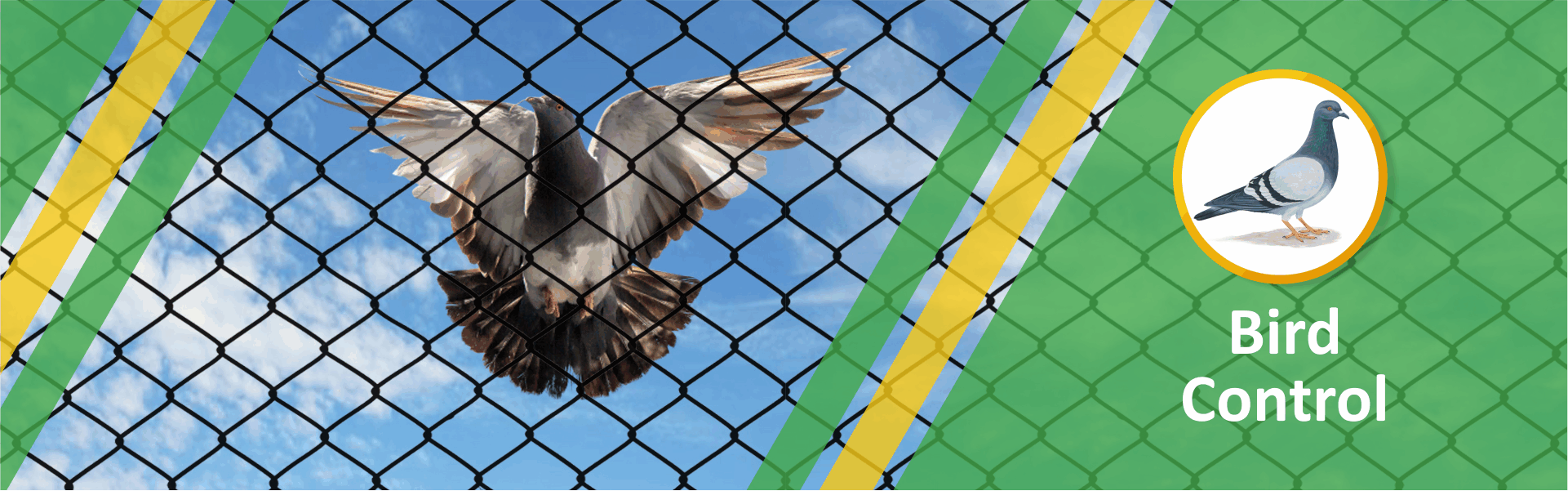
Bird nets are, by far, one of the most effective and humane solutions for keeping pigeons away. Why? Because they act as a physical barrier. It’s like putting up a “No Entry” sign that pigeons simply cannot bypass.
How Bird Nets Work
Imagine a robust, almost invisible screen that covers the areas where pigeons roost, perch, or nest. This is essentially what a bird net does. When installed correctly, it completely encloses the space, preventing pigeons from gaining access. They can see the area, but they cannot land or enter, effectively forcing them to seek shelter elsewhere.
Key Advantages of Bird Nets:
- 100% Humane: This is the biggest selling point. Bird nets do not trap, injure, or kill pigeons. They simply deny them access. Pigeons quickly learn they cannot get through and move on.
- Highly Effective: When installed properly, bird nets offer a near-perfect solution. There are no gaps for birds to squeeze through, and once the net is in place, the problem is solved.
- Long-Lasting Solution: Good quality bird nets are made from durable, UV-stabilized materials designed to withstand harsh weather conditions, meaning they last for many years (often 5-10 years or even more).
- Low Maintenance: Once installed, bird nets require minimal maintenance. Occasional cleaning might be needed, but they don’t require constant monitoring or reapplication like some other deterrents.
What Makes a Good Bird Net Solution?
It’s not just about putting up any net. The effectiveness and longevity of your bird net solution depend heavily on the quality of the materials and the professionalism of the installation.
1. The Right Material: Durability is Key
Most high-quality bird nets are made from:
- HDPE (High-Density Polyethylene): This is the gold standard. HDPE nets are incredibly strong, lightweight, and highly resistant to UV radiation, water, and chemicals. This means they won’t degrade, become brittle, or lose their strength under the sun, rain, or heat.
- Nylon: Another common material, often used for “invisible” nets due to its fine strands. Like HDPE, it must be UV-stabilized to prevent premature degradation.
What to look for in material:
- UV Stabilization: Absolutely critical in sunny climates. This prevents the net from becoming brittle and breaking down.
- Knotting: Knotted nets are generally stronger and more durable than woven or fused nets, as the knots prevent the mesh from unraveling if a strand breaks.
- Mesh Size: This is crucial. For pigeons, a mesh size of 1.5 to 2 inches (around 50mm) is generally sufficient. It’s small enough to prevent them from getting through but large enough not to obstruct your view too much. For smaller birds like sparrows, a smaller mesh (e.g., 1 inch or 25mm) might be needed.
- Thread Thickness: Thicker threads indicate a stronger, more robust net.
- Color Options: While less critical for function, good services offer colors like transparent, white, black, or green to better blend with your building.
2. Professional Installation: The Art of the Barrier
Even the best net material will fail if not installed correctly. Professional installation is paramount for a truly effective and lasting solution.
What a professional installation involves:
- Site Assessment: A professional team will first visit your property. They’ll assess the area, identify specific pigeon entry and roosting points, measure accurately, and discuss your needs. This ensures a custom fit and addresses all problem areas.
- Secure Anchorage Points: The net needs to be securely fastened to the building structure. This typically involves:
- Stainless Steel Hooks/Eye Bolts: Rust-resistant and strong, these are drilled into the walls or ceiling.
- Support Cables/Wires: Often, a perimeter wire or cable (usually stainless steel) is run through the hooks to create a strong frame for the net.
- Net Clips/Ties: To secure the net tightly to the support cables and prevent sagging or gaps.
- Proper Tensioning: The net must be stretched taut. A saggy net can create pockets where birds might get caught or find it easier to perch. Proper tension ensures it’s a firm, impenetrable barrier.
- No Gaps, Anywhere: Even a small gap can compromise the entire system. Professional installers are meticulous about sealing every potential entry point, including corners, irregular shapes, and around pipes or fixtures.
- Aesthetic Integration: A skilled installer will ensure the net looks as neat and discreet as possible, blending into your building’s design rather than being an eyesore.
- Safety Measures: Installation often involves working at heights. A reputable company will ensure their team uses proper safety equipment (harnesses, ropes, scaffolding if necessary) and follows safety protocols.
- Cleanup: They should leave your premises clean and tidy after the installation.
Beyond the Net: Other Humane Deterrents (and why nets are often superior)
While bird nets are the top choice, you might come across other humane deterrents. It’s useful to know about them and understand why nets often win out:
- Bird Spikes: These are stainless steel or polycarbonate strips with blunt, outward-pointing “spikes.” They prevent birds from landing on narrow ledges, window sills, or parapets.
- Pros: Effective for narrow surfaces.
- Cons: Only work on ledges; don’t enclose a whole area. Can be visually intrusive.
- Bird Gels/Repellents: Non-toxic, sticky gels applied to surfaces to make them uncomfortable for birds to land on.
- Pros: Invisible.
- Cons: Can collect dust and dirt, becoming unsightly. Need reapplication. Not suitable for large areas. Can be messy.
- Reflective Tape/Mylar Balloons: Shiny, moving objects that can startle birds.
- Pros: Inexpensive.
- Cons: Pigeons quickly habituate to them, rendering them ineffective over time. Not a permanent solution.
- Sonic/Ultrasonic Devices: Emit sounds (audible or inaudible to humans) to scare birds away.
- Pros: Can cover larger areas.
- Cons: Pigeons can habituate to them. Ultrasonic devices’ effectiveness is often debated. Can be annoying to pets or even humans if not calibrated correctly.
- Decoys (e.g., Plastic Owls): Frighten birds by mimicking predators.
- Pros: Simple.
- Cons: Pigeons quickly realize they are not real threats and ignore them.
- Sloping Surfaces: Modifying ledges to a steep slope makes it impossible for birds to land.
- Pros: Permanent solution.
- Cons: Requires structural modification, not always feasible or aesthetic.
The Bottom Line: While these methods have their niche uses, none offer the comprehensive, permanent, and completely humane barrier solution that a well-installed bird net provides for enclosing larger or more complex areas. Other methods often rely on startling or discomforting birds, which they eventually overcome. A net simply makes access impossible.

Choosing the Right Bird Net Installation Service
- Experience and Reputation:
- Years in Business: Look for companies with a proven track record. Longevity often indicates reliability and expertise.
- Reviews & Testimonials: Check online reviews (Google, Justdial, local directories). Look for consistent positive feedback regarding their professionalism, quality, and effectiveness. Personal referrals from friends or neighbors are also gold.
- Portfolio: Ask to see examples of their previous work, if possible.
- Quality of Materials Used:
- Ask specifically about the net material (HDPE/Nylon), UV stabilization, mesh size, and thread thickness. A good company will be transparent about their materials.
- Inquire about the quality of the hardware (hooks, cables) – stainless steel is preferred for longevity.
- Installation Expertise:
- Site Survey: Do they offer a free, no-obligation site visit to assess your specific needs before quoting? This is a sign of professionalism.
- Installation Method: Ask about their installation process. Do they use proper tensioning? How do they ensure no gaps?
- Safety Standards: Confirm they follow safety protocols, especially for installations at heights.
- Warranty and After-Sales Service:
- Material Warranty: A reputable company should offer a warranty on the net material (typically 3-5 years for good quality UV-stabilized nets).
- Workmanship Warranty: A warranty on the installation itself shows they stand behind their work.
- Support: What if you have a problem or a tear after installation? Do they offer quick and responsive after-sales support?
- Cost and Transparency:
- Detailed Quote: Get a clear, itemized quote. Understand what’s included (material, labor, hardware).
- Avoid Hidden Fees: Ensure there are no surprise charges.
- Value for Money: Don’t just pick the cheapest option. Consider the overall value – quality materials, expert installation, and good warranty often justify a slightly higher price.
- Customer Service:
- From your first contact, assess their responsiveness, clarity in communication, and professionalism. A good team makes the process smooth and hassle-free.
A Few Things to Remember:
- Pigeon Poop is Corrosive: Before installation, ensure the area is thoroughly cleaned. Bird droppings are acidic and can damage surfaces over time.
- Net Aesthetics: While practical, discuss the aesthetic impact with the installer. Transparent or white nets are often less noticeable.
- Emergency Access: For large installations (like entire balconies), discuss how the net can be opened or accessed for maintenance (e.g., cleaning the exterior of windows). Many systems include zip or clip openings for this purpose.
- Don’t DIY for Large/Complex Areas: While small, simple window nets might be a DIY project, for balconies, full enclosures, or high-rise installations, professional expertise is indispensable for safety, effectiveness, and longevity.
Conclusion: Embrace the Humane Barrier
The battle against pigeon intrusion in our homes and businesses doesn’t have to be a cruel one. The bird net solution offers an elegant, effective, and completely humane way to protect your property and peace of mind. By creating an impenetrable yet almost invisible barrier, you gently guide pigeons to find more suitable places to live, ensuring they are unharmed while your living spaces remain clean, safe, and serene.
Invest in a quality bird net and a professional installation service. It’s a decision that provides long-term peace of mind, eliminates the mess and health risks associated with pigeons, and, most importantly, aligns with a compassionate approach to urban wildlife. Say goodbye to pigeon problems and hello to a cleaner, quieter, and truly peaceful home.